





Carpenter Ants in Northeast Ohio
Why March is the Time!
Carpenter Ants in Northeast Ohio: Why March Is the Time to Pay Attention
As winter begins to loosen its grip on Northeast Ohio, many homeowners start thinking about warmer days, blooming flowers, and getting their homes ready for spring. Unfortunately, rising temperatures in March also signal the return of unwanted pests—especially carpenter ants. These wood destroying insects can quietly cause structural damage long before you ever see them.
If you’ve noticed large black ants inside your home in early spring, it’s not something to ignore. Here’s what Northeast Ohio homeowners should know about carpenter ants, why they become active in March, and why hiring a professional pest control company is the smartest way to protect your home.
What Are Carpenter Ants?
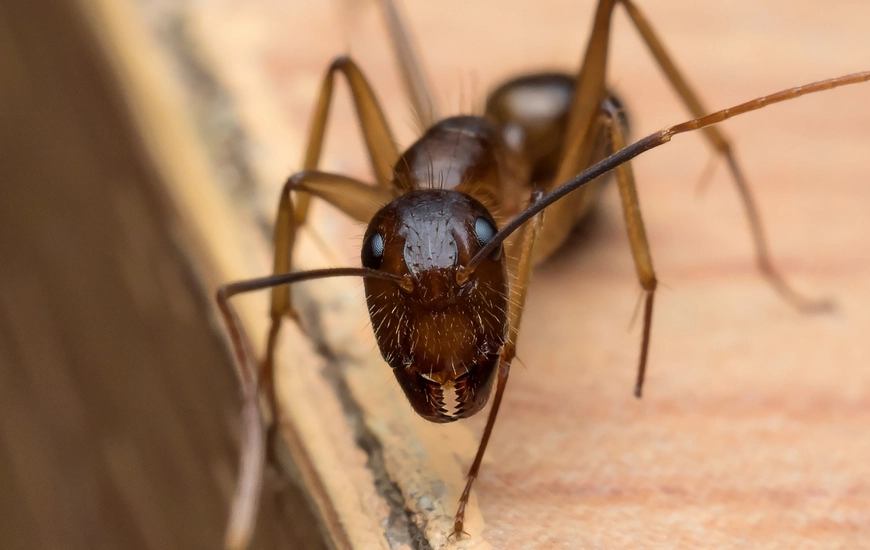
Carpenter ants are among the largest ants found in Ohio, typically black or dark brown and ranging from ¼ to ½ inch in length. Unlike termites, they do not eat wood. Instead, they excavate tunnels inside damp or damaged wood to build their nests. Over time, this tunneling can weaken beams, window frames, floor joists, and other structural components of your home.
Because their damage happens out of sight, many infestations go unnoticed until significant harm has already occurred.
Why Carpenter Ants Become a Problem in March
March is a turning point for pest activity in Northeast Ohio. As temperatures begin to rise and snow melts, carpenter ants that have been dormant through winter start to move again.
Several seasonal factors make early spring the perfect time for infestations:
- • Warmer temperatures trigger ant foraging activity.
- • Melting snow and spring rain create moisture in wood—ideal nesting conditions for carpenter ants.
- • Indoor overwintering colonies may already exist inside walls or crawl spaces and become more visible as they search for food.
- • Spring swarming season approaches, when reproductive ants emerge to start new colonies.
Seeing carpenter ants indoors in March is often a warning sign that a nest is already present inside your home—not just outside.
Signs of a Carpenter Ant Infestation
Homeowners in Northeast Ohio should watch for these common indicators:
- • Large black ants appearing in kitchens, bathrooms, or basements
- • Small piles of sawdust like material (called frass) near wood structures
- • Rustling sounds inside walls or ceilings
- • Winged ants emerging indoors in spring
- • Moist or damaged wood around windows, roofs, or plumbing
If you notice any of these signs, early action is critical to prevent costly structural repairs.
Why DIY Treatments Often Fail
Working with a local pest control professional like Prevention Pest Control provides several important advantages:
1. Accurate Identification
Not all ants are carpenter ants. Professionals correctly identify the species and tailor treatment accordingly.
2. Complete Colony Elimination
Licensed technicians locate nesting sites and use targeted treatments designed to remove the entire colony, not just surface activity.
3. Moisture & Entry Point Inspection
Because carpenter ants prefer damp wood, professionals also look for:
- • Water leaks
- • Poor ventilation
- • Wood to soil contact
- • Foundation or siding gaps
Addressing these issues helps prevent future infestations.
4. Long Term Protection
Professional services often include preventative treatments and monitoring to keep carpenter ants—and other spring pests—away all season long.
Protect Your Home This Spring
March is the perfect time for Ohio homeowners to schedule a pest inspection before carpenter ants have a chance to expand their colonies and cause serious damage.
Early detection and professional treatment can save you from expensive repairs and give you peace of mind as the weather warms.
If you’re seeing signs of carpenter ants—or simply want to prevent a problem before it starts—call Prevention Pest Control today for an inspection and customized treatment plan at 234-571-1203. And remember, an ounce of Prevention is all it takes for a pest free home!